
What Should a Fuel Station Owner Monitor for Better Profitability?
How Can Fuel Station Management Software Support Profitability?
Running a profitable fuel station requires more than increasing fuel sales. Petrol pump owners and operators also need to control inventory, reduce avoidable losses, manage operating expenses, maintain accurate billing, and monitor daily business performance.
Because fuel stations handle high transaction volumes every day, even small operational discrepancies can become significant over time. A structured approach to fuel station management, inventory control, billing, and reporting can help owners understand where their business is performing well and where improvements may be required.
Here are 10 practical strategies that can help improve fuel station profitability and operational efficiency.
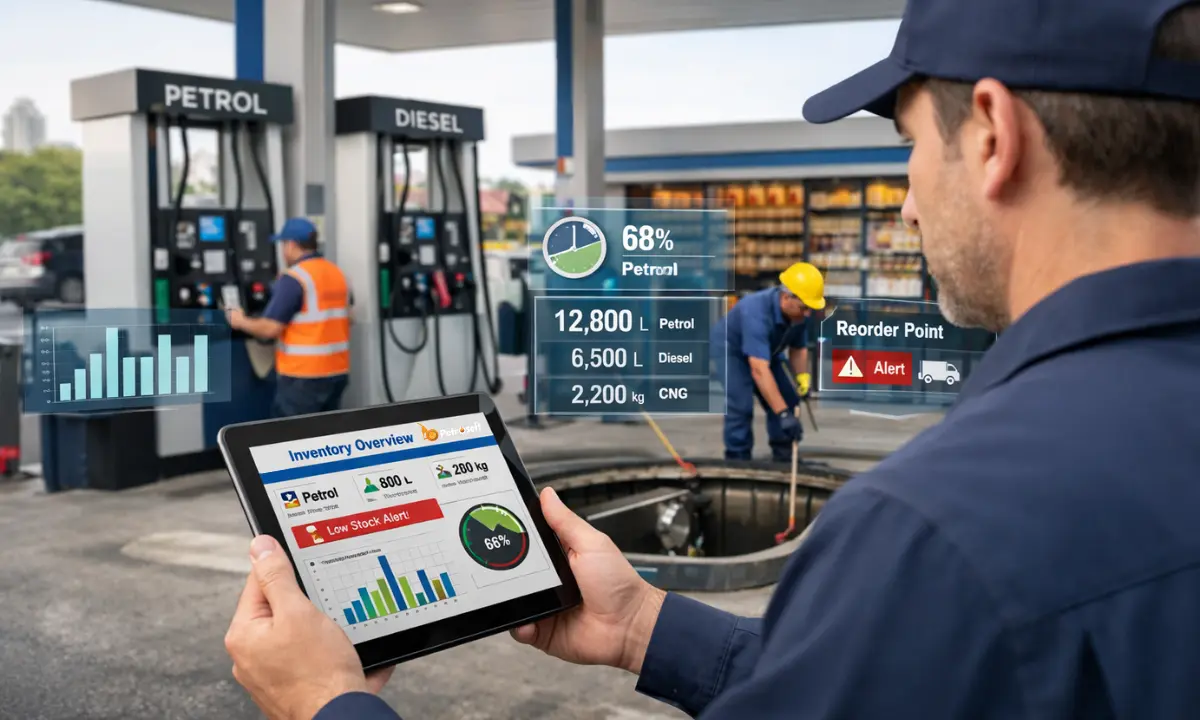
Fuel is the core product of a fuel station, making accurate stock management essential for day-to-day operations.
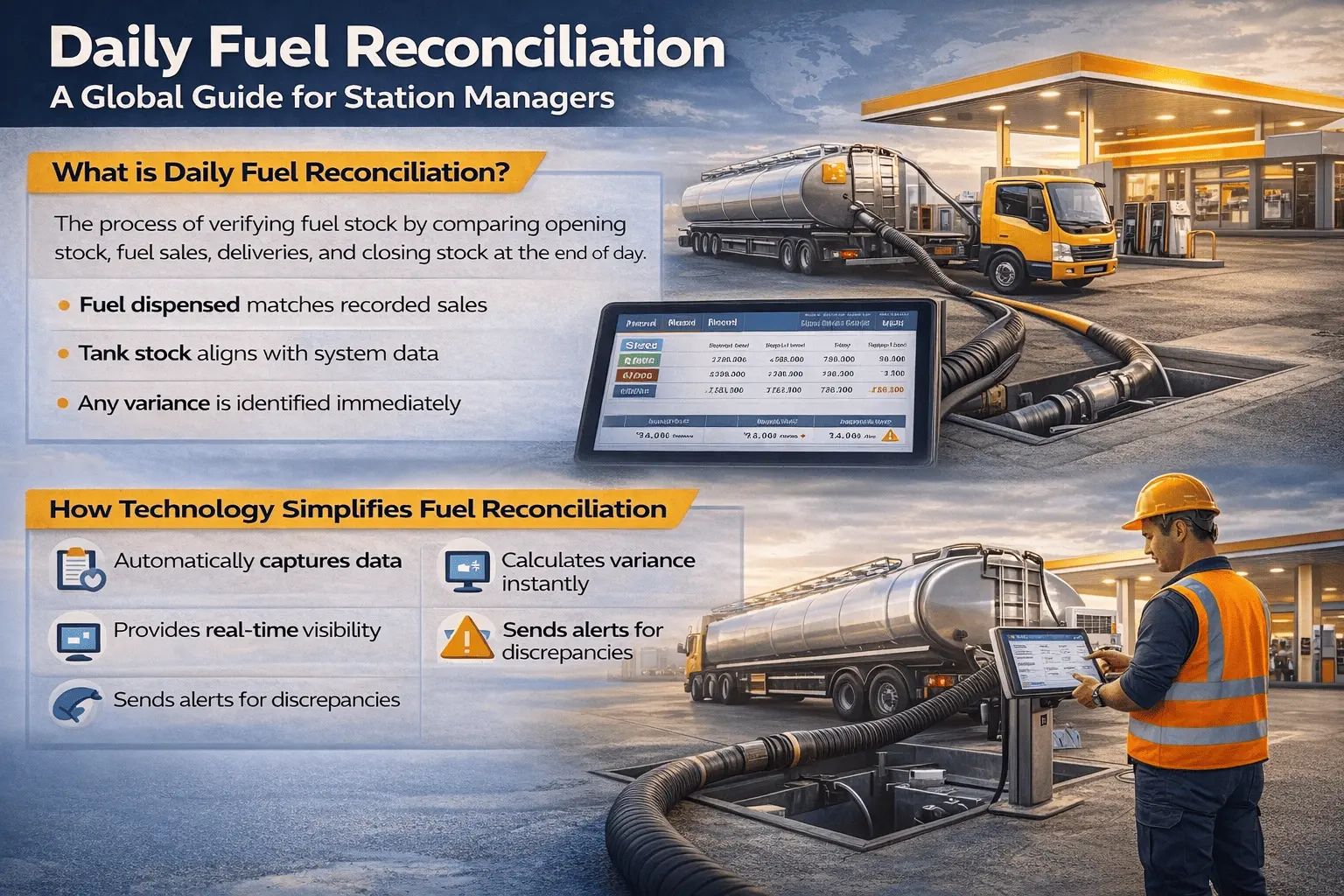
At the end of each day, compare:
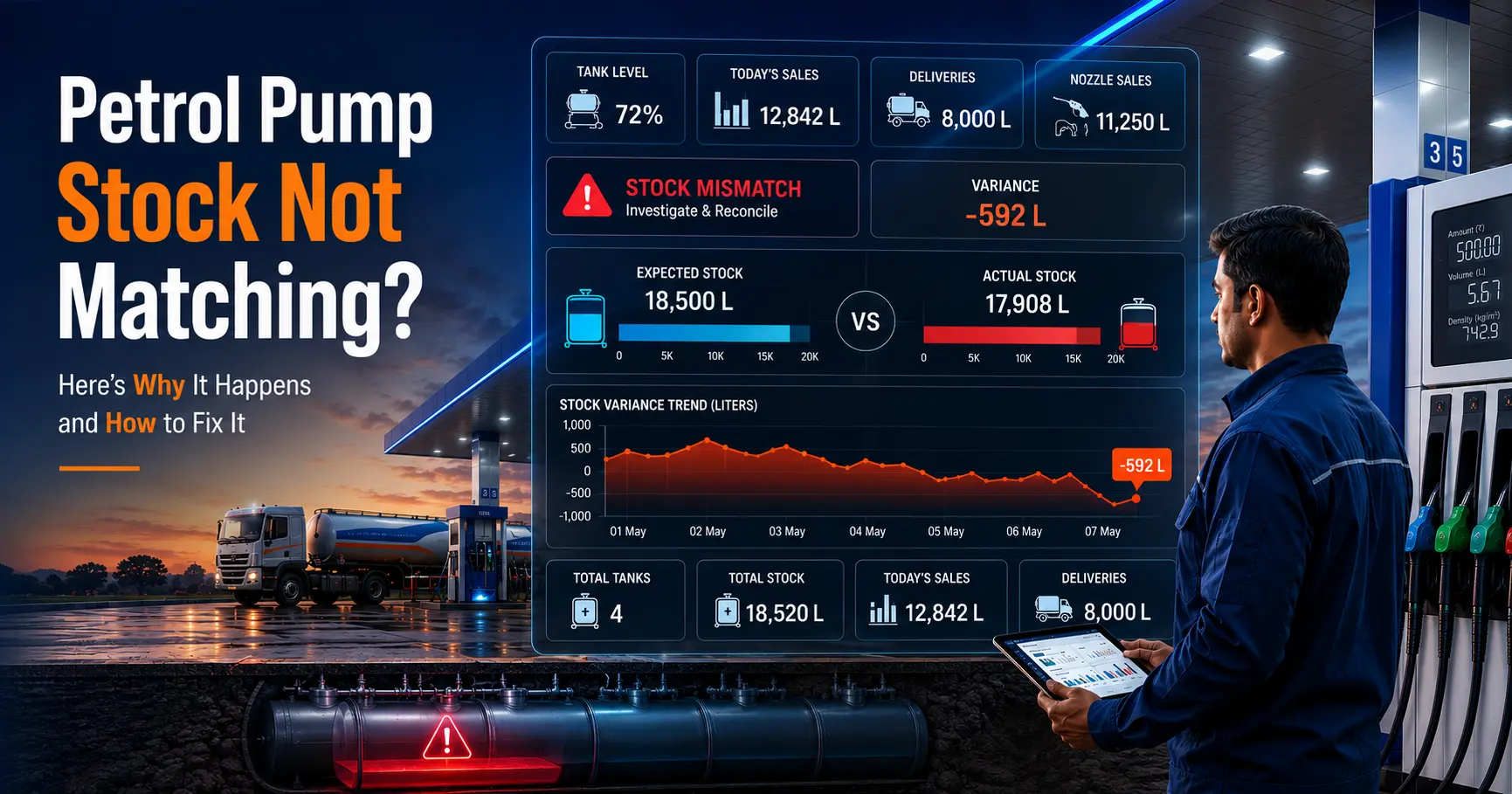
Regular reconciliation helps identify differences between expected and actual stock levels at an early stage.
Effective fuel inventory management also creates a clearer record of fuel movement and can help operators investigate unusual stock variations.
Instead of maintaining separate manual records, fuel station management software can organize sales and inventory information within a centralized system, making daily stock monitoring easier.
2. Reduce Fuel and Inventory Losses
Small inventory differences can affect overall profitability when they occur repeatedly.
Every fuel delivery should be properly recorded and compared with sales and closing stock. If the station sells lubricants, engine oils, or other products, those items should also be included in inventory monitoring.
Good fuel station stock management provides greater visibility into inventory movement and helps operators identify where discrepancies may be occurring.
The objective is not simply to record stock but to understand the movement of inventory and investigate unusual variations promptly.
3. Monitor Daily Sales and Collections
Monthly sales reports alone may not provide enough visibility into what is happening at a fuel station.
Owners should regularly review:
Daily monitoring makes it easier to identify changes in sales patterns and operational performance.
With organized fuel station reporting, owners can review important business information without depending entirely on manually maintained records.
A digital system can bring sales information together and make daily performance reviews more structured.
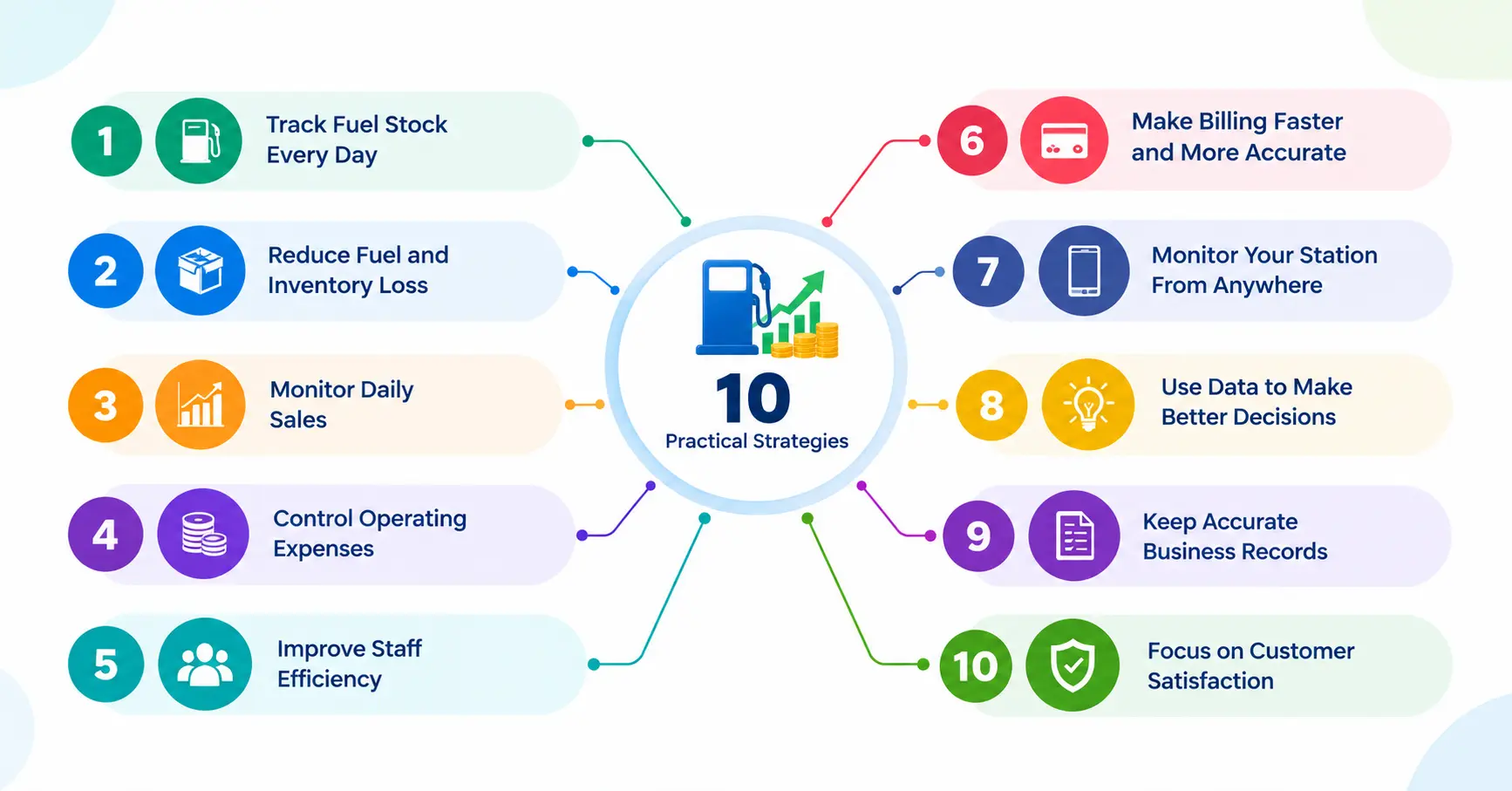
4. Control Operating Expenses
Improving profitability is not only about increasing revenue. Controlling unnecessary operating costs is equally important.
Common fuel station expenses may include:
Regularly reviewing these expenses can help identify areas where costs may be controlled without affecting customer service or essential station operations.
A clear record of expenses also helps owners understand the relationship between operational costs and overall business performance.
5. Improve Staff Efficiency and Process Control
Employees have a direct role in everyday fuel station operations.
Staff should clearly understand their responsibilities related to:
Clear procedures can reduce avoidable mistakes and improve consistency across shifts.
A fuel station software solution can also reduce repetitive manual data entry for routine activities, allowing employees to spend more time on customers and essential station operations.
The goal is not simply to use technology but to create a more organized workflow for employees and managers.
6. Make Fuel Station Billing Faster and More Accurate
Fuel stations process a large number of transactions, particularly during busy operating periods. Manual calculations and fragmented records can make billing and reconciliation more difficult.
Fuel station billing software can help organize sales transactions and maintain structured records of payments and collections.
A digital billing process can support:
Accurate billing also contributes to a smoother customer experience by reducing unnecessary delays during transactions.
7. Monitor Your Fuel Station from Anywhere
Fuel station owners may not always be physically present at their station. Some owners may also manage more than one location.
In such situations, access to important business information can make day-to-day management easier.
A fuel station management system can provide access to relevant reports covering areas such as:
Remote access to business information allows owners to stay informed even when they are away from the station, subject to the capabilities of the software being used.
For multi-location businesses, centralized visibility can also make it easier to review different operational areas.
8. Use Business Data to Make Better Decisions
Every fuel station generates valuable operational data through its daily activities.
This information can help owners understand:
Instead of relying only on assumptions, owners can use actual business records to support decisions about stock planning, staffing, expenses, and other operations.
The important process is:
Collect data → Review information → Identify patterns → Take action → Monitor results
This makes fuel station reporting an important part of ongoing business management.
9. Maintain Accurate Business Records
Accurate records are essential for understanding the actual performance of a fuel station.
Important records can include:
When information is missing or maintained across multiple disconnected records, it can become difficult to understand where money and inventory are moving.
A fuel station management system can bring important operational information together and make reporting more organized.
Centralized records also provide a more consistent foundation for reviewing business performance.
10. Review Fuel Station Performance Regularly
Profitability improvement is an ongoing process rather than a one-time activity.
Fuel station owners should establish a regular review routine.
Daily review
Check:
Weekly review
Review:
Monthly review
Analyze:
Regular reviews make it easier to identify unusual changes and investigate them before they become recurring operational problems.
A practical fuel station performance review should cover several areas of the business.
| Business Area | Key Information to Monitor |
|---|---|
| Fuel Stock | Opening stock, receipts, sales and closing stock |
| Sales | Litres sold and sales value |
| Payments | Cash, digital and credit transactions |
| Inventory | Fuel and other products |
| Expenses | Salaries, electricity, maintenance and other operating costs |
| Operations | Staff, shifts and transactions |
| Reporting | Daily, weekly and monthly business trends |
Monitoring these areas together gives owners a broader view of their fuel station business rather than focusing only on sales.
Fuel station management software can help organize several areas of station operations within a centralized system.
Depending on the solution and its available features, it can support areas such as:
The primary value of using a digital management system is improved visibility and organization.
Software does not replace operational discipline. Accurate data entry, proper processes, regular reconciliation, and consistent performance reviews remain important.
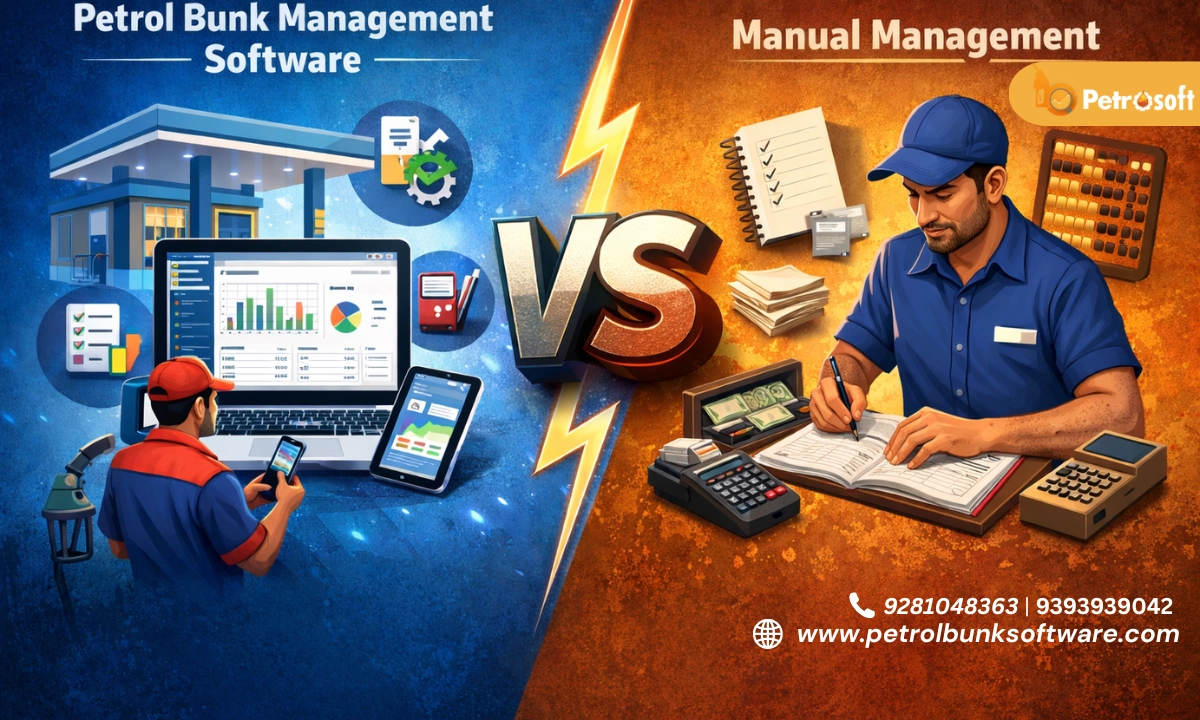
Managing fuel sales, inventory, billing, and business reports manually can become increasingly difficult as daily transaction volumes grow.
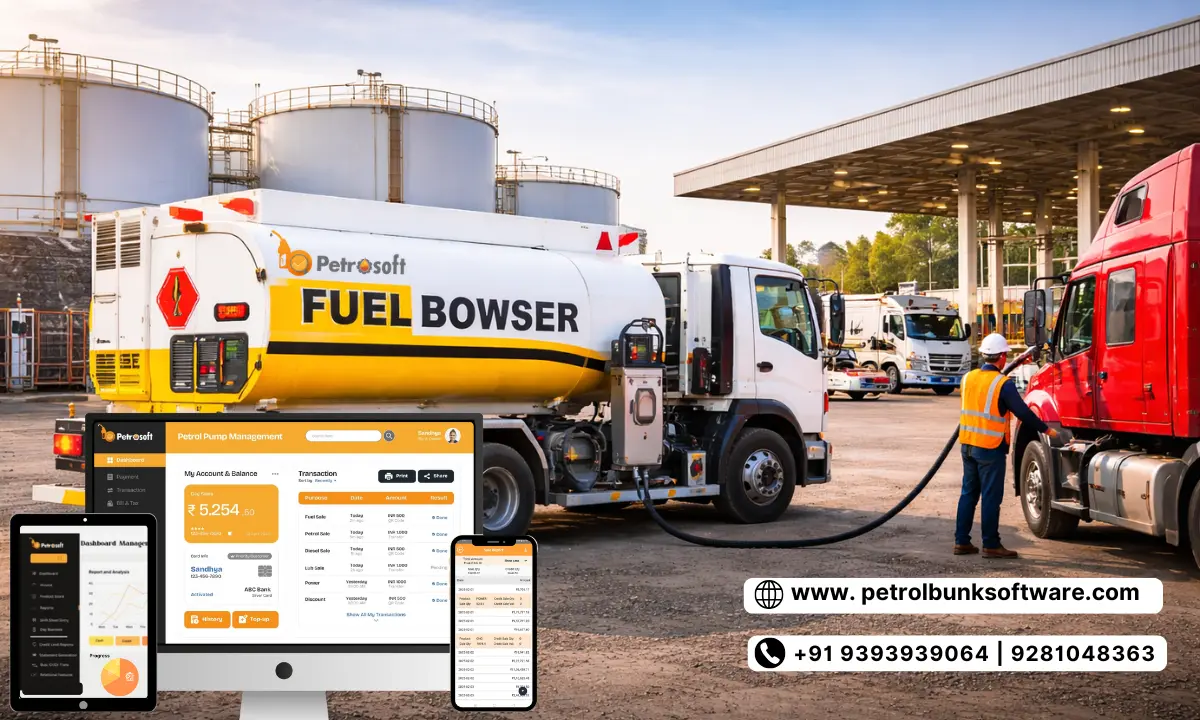
Petrosoft is a fuel station management solution designed to bring important day-to-day operations into one organized system.
It supports areas such as billing, stock management, sales records, reporting, and business visibility, helping fuel station owners and managers maintain more organized operational information.
For businesses looking to move away from fragmented manual records and improve visibility across everyday fuel station activities, a structured digital management system can provide a practical foundation for managing operations.

Explore Petrosoft to learn more about fuel station management, billing, stock management, and business reporting.
Final Takeaway
Better fuel station profitability starts with better control over stock, sales, billing, expenses, and reporting.
With Petrosoft, manage your fuel station operations in one organized system and gain clearer visibility into your daily business.
Ready to manage your fuel station more efficiently?
👉Talk to the Petrosoft Team Today.
Software
 Software
 Software
 Software
 Software
 Software
 Software
 Software
 Software
 Software
 Software
 Software
 Software
 Software
 Software
 Software
 Software
 Software
 Software
 Software
 Software
 Software
 Software
 Software
 Software
 Software
 Software
 Software
 Software
 Software
 Software
 Software
 Software
 Software
 Software
 Petrosoft
 Software
Petrosoft
 Software
Petrosoft
 Software
Petrosoft
 Software
Petrosoft
 Software
Petrosoft
 Performance
Petrosoft
 Performance
Petrosoft
 Performance
Petrosoft
 Performance
Petrosoft
 Performance
Petrosoft
 Performance
Petrosoft
 Mobile App
Petrosoft
 Software
Petrosoft
 Software
Petrosoft
 Software
Petrosoft
 Software
Petrosoft
 Software
Petrosoft
 Software
Petrosoft
 Software
Petrosoft
 Software
Petrosoft
 Software
Petrosoft
 Sales
Sales
Petrosoft
 Software
Petrosoft
 Technology
Petrosoft
 Feedback
Petrosoft
 Marketing
Petrosoft
 Revolution
Petrosoft
 Software
Petrosoft
 Tips
Tips
Petrosoft
 Case Studies
Petrosoft
 Trends
Petrosoft
 Application
Petrosoft
 Application
Petrosoft
 Application
Petrosoft
 Operations
Petrosoft
 Operations
Petrosoft
 Sales
Sales
Petrosoft
 Sales
Sales
Petrosoft
 Application
Petrosoft