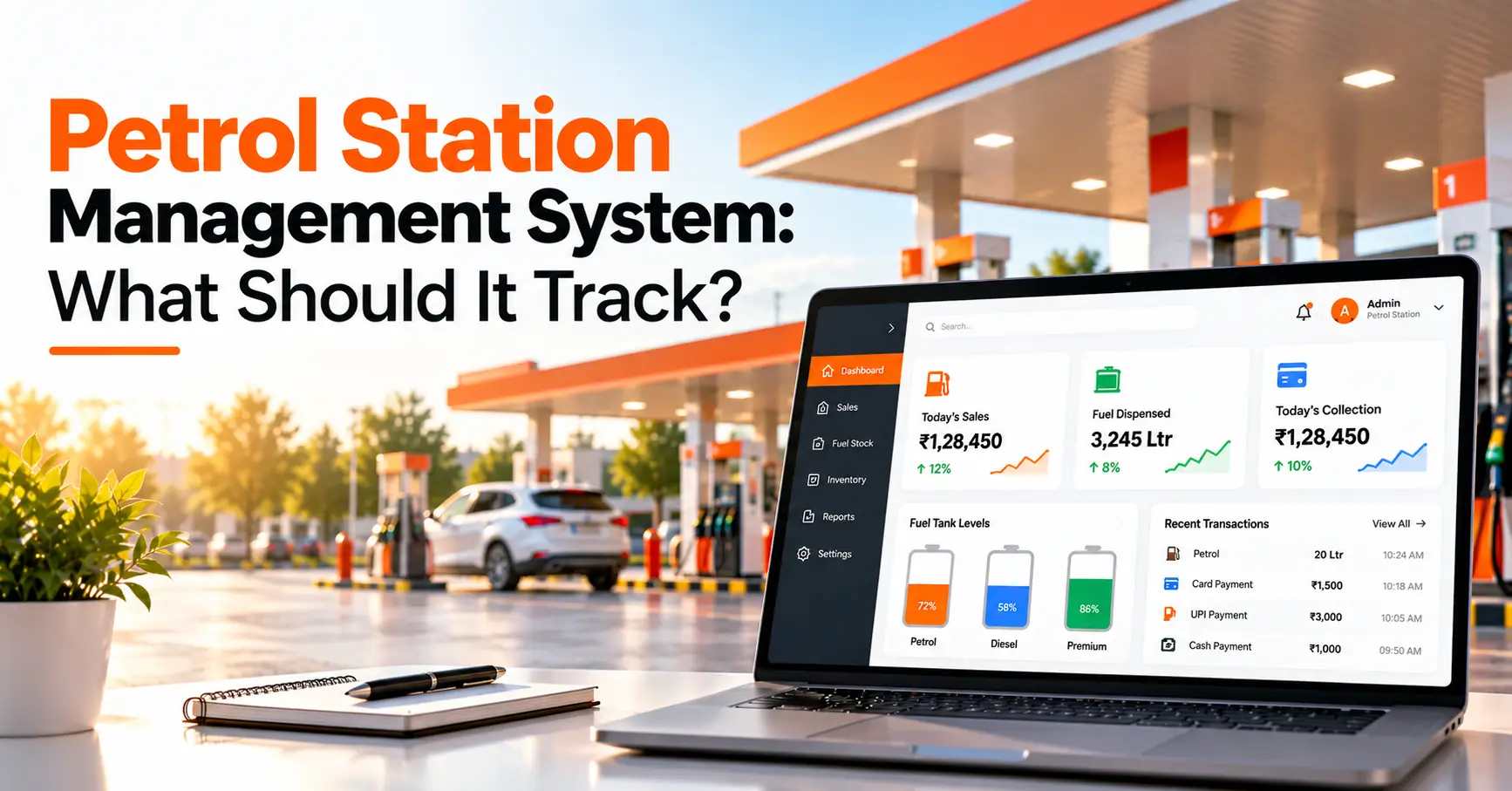

An Inventory management system is essential for petrol pump operations to maintain accurate stock levels and avoid losses or delays. Petrol pump owners need precise control over fuel, lubricants, and other products to ensure smooth daily functioning. A reliable inventory management system helps reduce manual errors, improves stock visibility, and supports efficient daily operations. In this article, we present the “Petrosoft Guide 2026: Inventory Management Tips for Petrol Pump Owners”, which shares practical strategies to streamline stock control, prevent shortages, and improve storage efficiency. By following these proven inventory management tips, owners can keep operations organized, reduce costs, and run their business more efficiently every day with Petrosoft.
1.Understand Your Inventory Requirements
Before optimizing your inventory, it is important to know exactly what you have and what you need. Using an inventory management system allows petrol pump owners to track all types of fuel, lubricants, and convenience products accurately.Categorizing items based on demand patterns, seasonal variations, and sales trends ensures better planning.
Tips:
- Maintain daily records of fuel stock and sales.
- Identify high demand products and plan stock levels accordingly.
- Forecast seasonal demand using historical sales data.
Benefits:
- Reduces the risk of stockouts or overstocking.
- Helps maintain optimal stock levels for smooth operations.
2. Implement Real Time Inventory Tracking
Manual stock tracking can cause errors, leading to losses. A modern inventory management system with real time tracking allows petrol pump owners to monitor fuel and product levels instantly.
Tips:
- Integrate stock tracking with fuel dispensers for automatic updates.
- Use software alerts to identify low stock levels in real time.
Benefits:
- Prevents discrepancies between actual and recorded stock.
- Reduces pilferage and operational losses.
- Ensures customers always get the products they need.
3. Automate the Reordering Process
Running out of stock can impact revenue and customer satisfaction. An automated inventory management system ensures timely restocking and uninterrupted operations.
Tips:
- Set minimum stock thresholds for each product.
- Use historical data to forecast future inventory requirements.
Benefits:
- Avoids emergency procurement and last minute delays.
- Helps maintain continuous stock availability.
- Optimizes cash flow by ordering the right quantities.

4. Optimize Storage & Reduce Wastage
Proper storage is essential to minimize losses from spillage, evaporation, or product degradation. A structured inventory management system helps organize storage efficiently and track product movement.
Tips:
- Rotate stock based on arrival dates to sell older stock first.
- Maintain proper storage conditions for all products.
- Separate high-demand and slow moving items for better tracking.
Benefits:
- Reduces product wastage and financial losses.
- Enhances operational efficiency and stock organization.
- Increases profitability by preventing spoilage.
5. Conduct Regular Stock Audits
Even with automated tools, periodic audits are essential. Regular audits verify that physical stock matches recorded inventory and ensure transparency.
Tips:
- Schedule monthly or quarterly audits.
- Cross-check dispenser readings with stock records.
- Investigate and resolve discrepancies immediately.
Benefits:
- Detects pilferage and reduces losses.
- Ensures accurate stock data for decision making.
- Builds trust in inventory reports and financial records.
6. Leverage Data Analytics
Analyzing inventory data helps petrol pump owners make smarter decisions. Understanding sales trends, peak hours, and product demand allows better inventory planning.
Tips:
- Track daily, weekly, and monthly sales patterns.
- Identify fast moving and slow moving products.
- Adjust stock levels proactively based on insights.
Benefits:
- Reduces idle stock and storage costs.
- Improves cash flow and overall profitability.
- Supports better planning for promotions or discounts.
7. Follow Expert Guides
Industry guides and best practices provide valuable insights for efficient inventory control. Expert recommendations help petrol pump owners avoid common mistakes and improve operational performance.
Tips:
- Refer to resources like the “Petrosoft Guide 2026: Inventory Management Tips for Petrol Pump Owners.”
- Adapt strategies that suit your pump’s size, products, and customer demand.
Benefits:
- Ensures alignment with industry standards.
- Enhances efficiency and reduces human error.
- Keeps your petrol pump competitive in 2026 and beyond.
Conclusion:
A well implemented Inventory management system plays a major role in improving efficiency and profitability at petrol pumps. Accurate stock tracking, timely reordering, and well planned storage help prevent losses and ensure smooth service. With advanced solutions like Petrosoft, petrol pump owners can rely on an inventory management system to monitor inventory in real time, automate routine tasks, and make better business decisions.
By applying the strategies shared in the Petrosoft Guide 2026, petrol pump owners can reduce errors, minimize wastage, enhance customer satisfaction, and achieve sustainable growth in a competitive market.