
What Is a IoT-Based Tank Monitoring Systems?
Why Fuel Businesses in India Need Fuel Monitoring Systems
Key Features of the Best Fuel Monitoring Systems
How Fuel Monitoring Systems Prevent Fuel Theft
Industries Using Fuel Monitoring Systems in India
Benefits of Cloud-Based Fuel Monitoring Software
Fuel losses, stock mismatches, fuel theft, inaccurate reporting, and operational inefficiencies continue to be major challenges for fuel businesses across India. From petrol pumps and fleet operators to industrial diesel storage facilities, businesses are rapidly shifting toward smart fuel monitoring systems to improve control, transparency, and profitability.
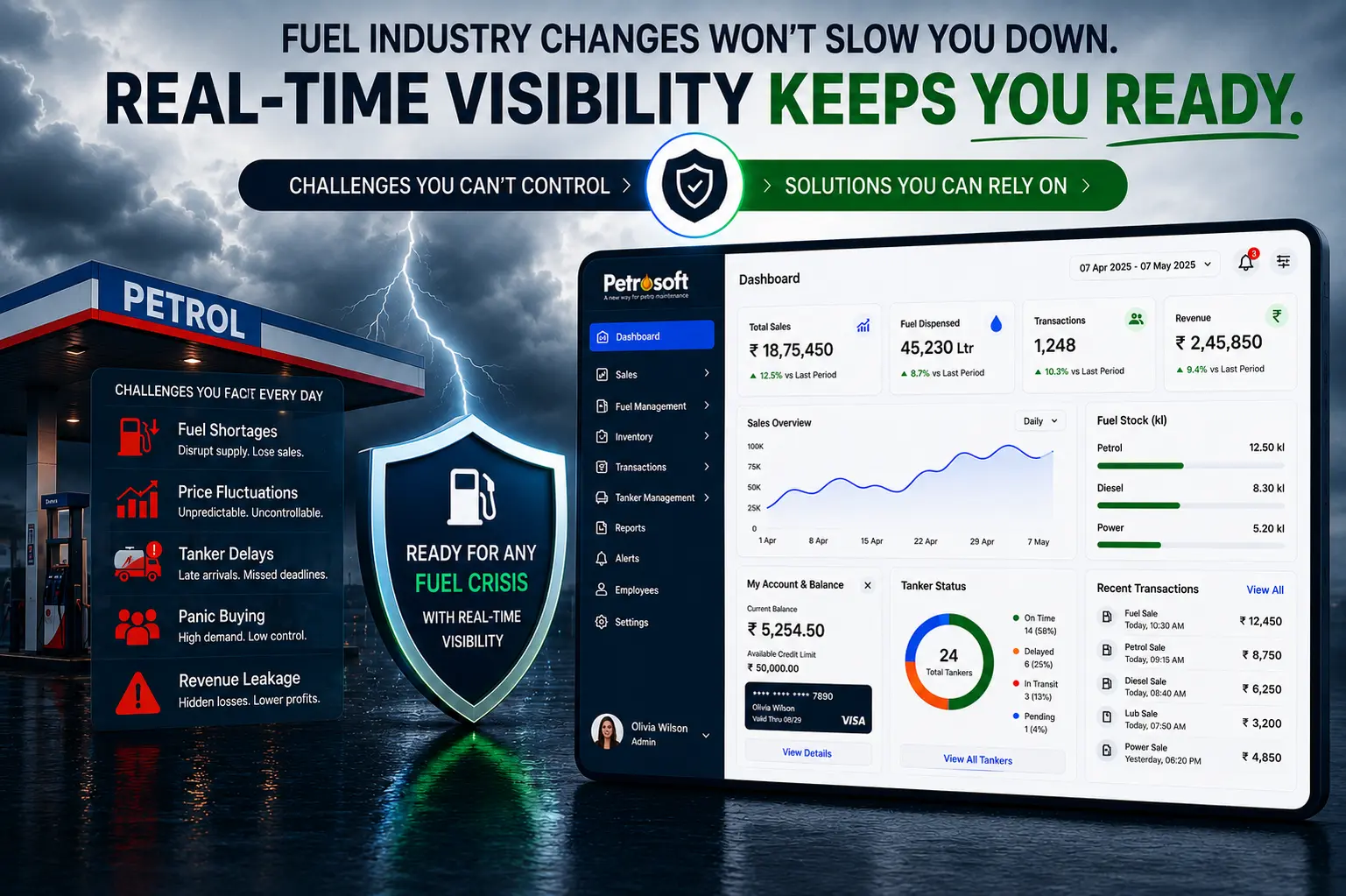
In 2026, modern fuel monitoring systems are no longer limited to basic fuel tracking. Businesses now demand real-time monitoring, automated alerts, IoT integration, cloud dashboards, fuel reconciliation, and theft prevention features that provide complete visibility into fuel operations.
This guide explains everything fuel businesses need to know about choosing the best fuel monitoring system in India.
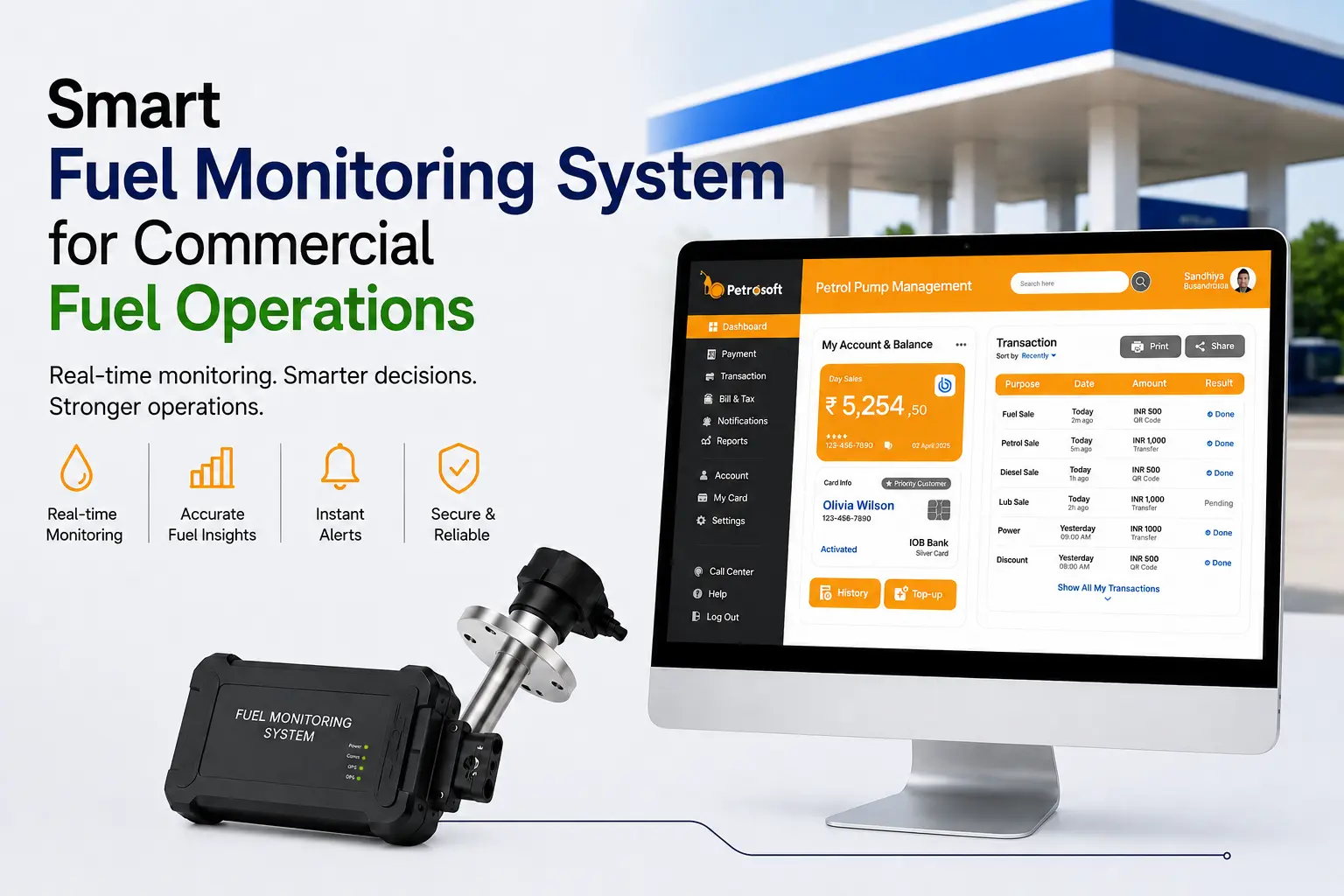
A fuel monitoring system is a combination of hardware and software designed to track, measure, analyze, and manage fuel usage in real time.
These systems typically include:Fuel monitoring systems help businesses reduce fuel wastage, prevent theft, monitor consumption patterns, and improve operational efficiency.
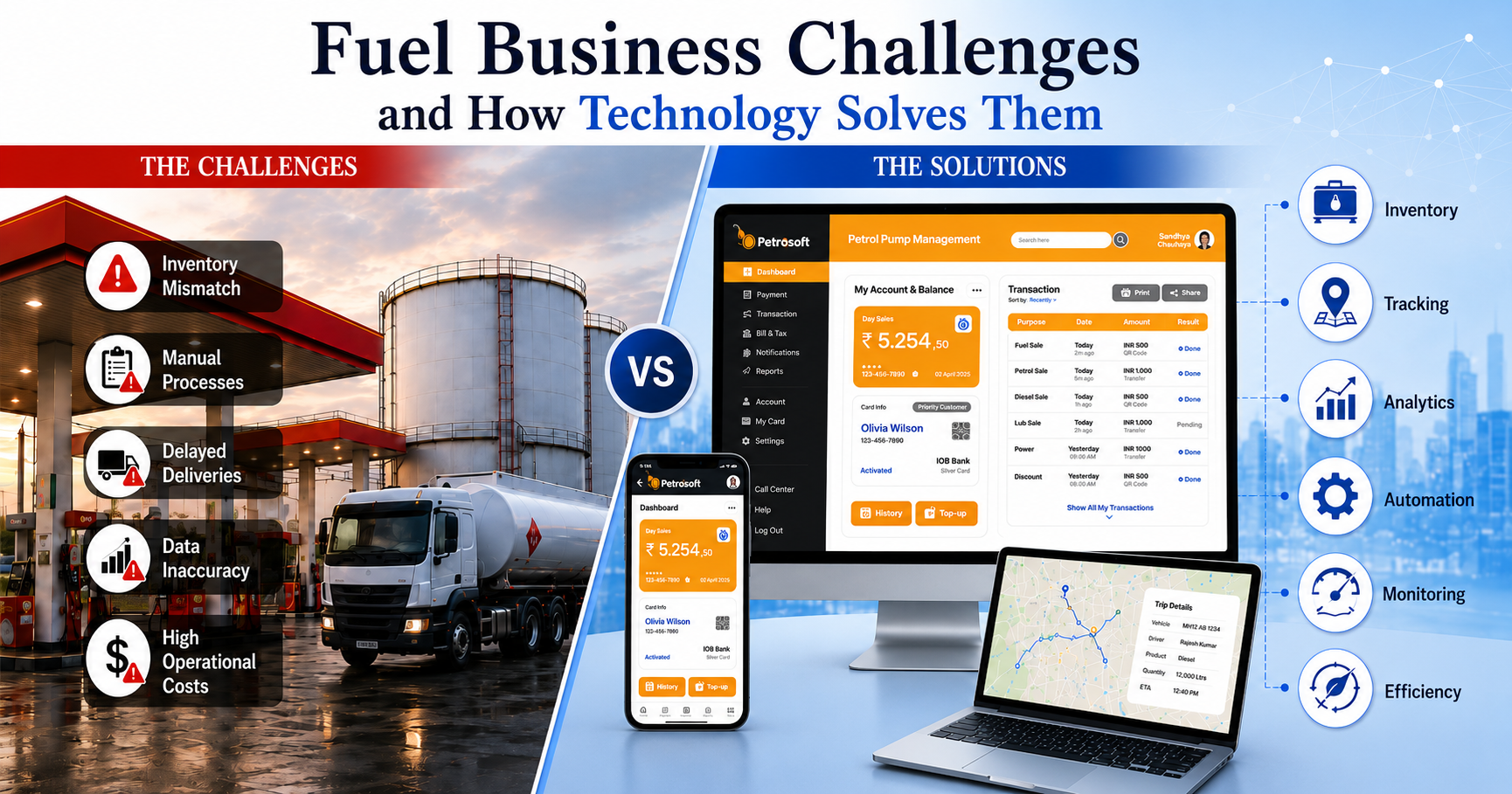
Fuel businesses across India face multiple operational challenges daily. Manual fuel tracking methods often lead to inaccurate reporting, hidden losses, delayed detection of theft, and poor inventory visibility.
Implementing a fuel monitoring system helps businesses:
1. Prevent Fuel TheftSmart fuel monitoring systems help detect sudden fuel drops, unauthorized fuel extraction, and abnormal fuel consumption in real time. Businesses can also reduce fuel theft by implementing strategies explained in Five Ways to Stop Petrol Pump Theft using advanced monitoring and security solutions.
2. Improve Fuel AccuracyReal-time monitoring ensures accurate fuel level measurements and helps businesses identify stock mismatches quickly.
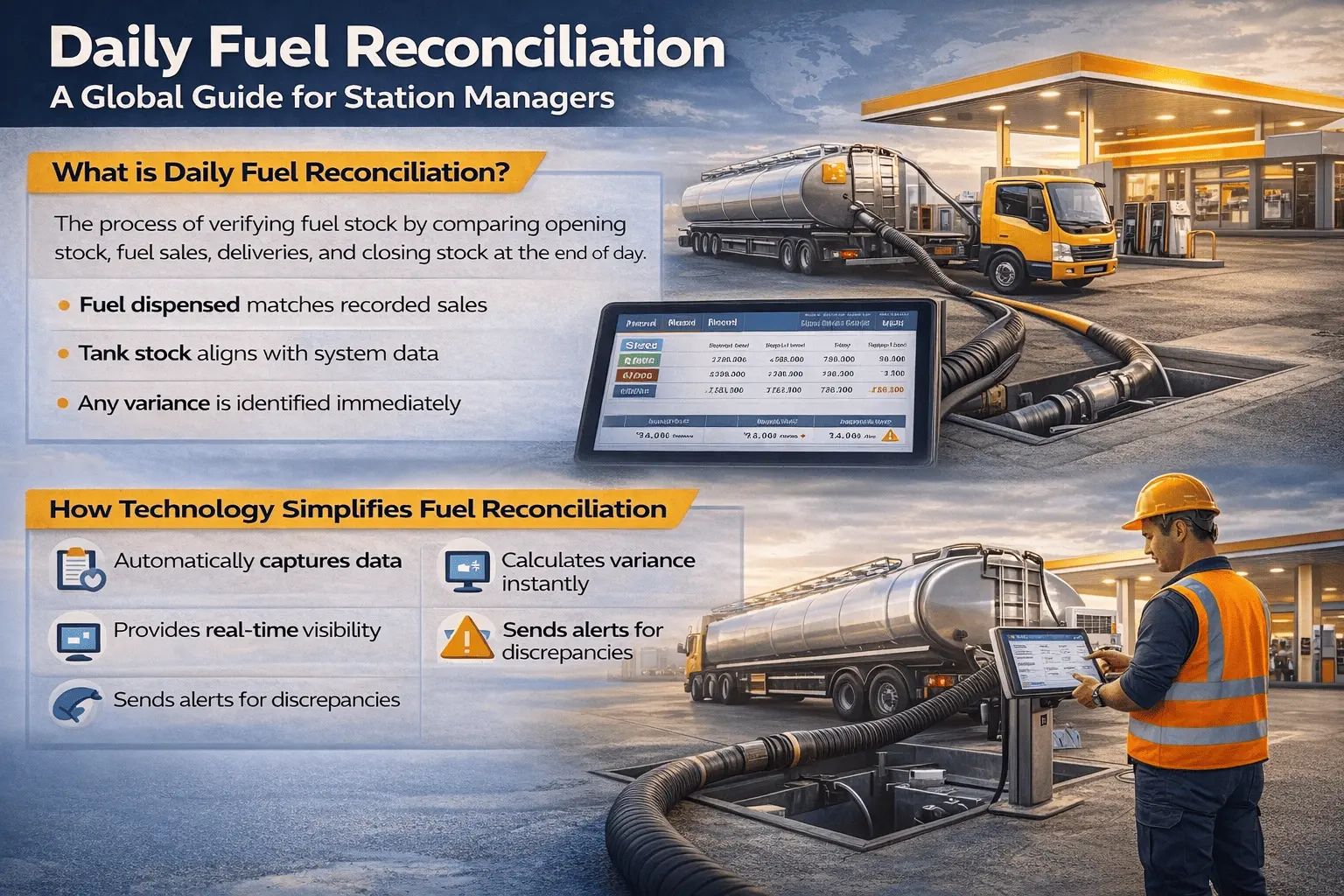
3. Automate Fuel ReconciliationAutomated reconciliation eliminates manual calculations and provides accurate shift-wise stock reports, as explained in Daily Fuel Reconciliation Guide, helping fuel stations improve accuracy and operational transparency.
4. Monitor Fuel Usage in Real TimeManagers can access live fuel data remotely through cloud dashboards and mobile applications.
5. Reduce Operational LossesContinuous monitoring minimizes wastage, improves accountability, and helps businesses optimize fuel consumption.
6. Improve Business TransparencyDigital reports and live analytics improve decision-making and operational control.
Before selecting a fuel monitoring solution, businesses should evaluate the following essential features.
1. Real-Time Fuel TrackingThe system should provide live fuel level monitoring with accurate data updates.
2. Fuel Theft AlertsInstant alerts for fuel drain events, unauthorized access, or suspicious fuel movement are essential.
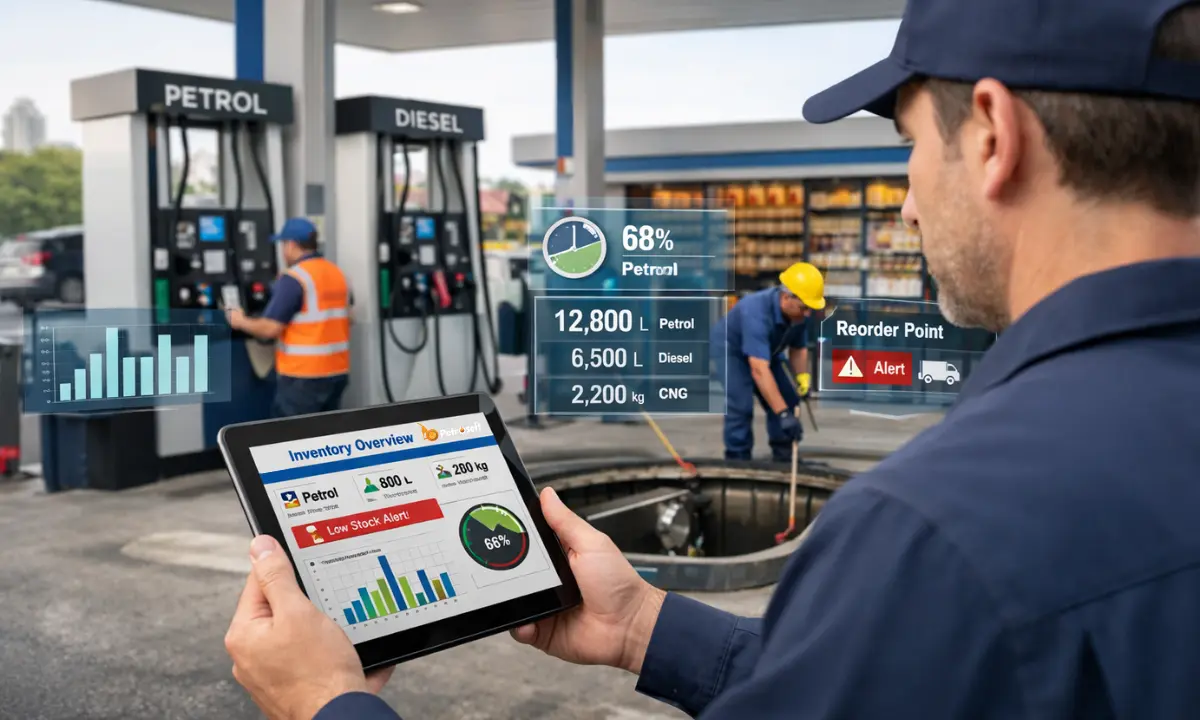
3. Tank MonitoringAdvanced systems monitor underground and above-ground storage tanks continuously.
4. GPS IntegrationFleet businesses benefit from GPS-enabled fuel monitoring that combines location tracking with fuel analytics.
5. Cloud DashboardA centralized dashboard allows managers to monitor fuel operations from anywhere.
6. Automated ReportsThe software should generate:
Mobile applications improve accessibility and operational visibility.
8. IoT IntegrationModern IoT-based systems provide smart automation and remote monitoring capabilities.
9. Multi-Location MonitoringBusinesses operating multiple fuel stations or storage locations require centralized monitoring.
Fuel theft can occur in multiple ways:
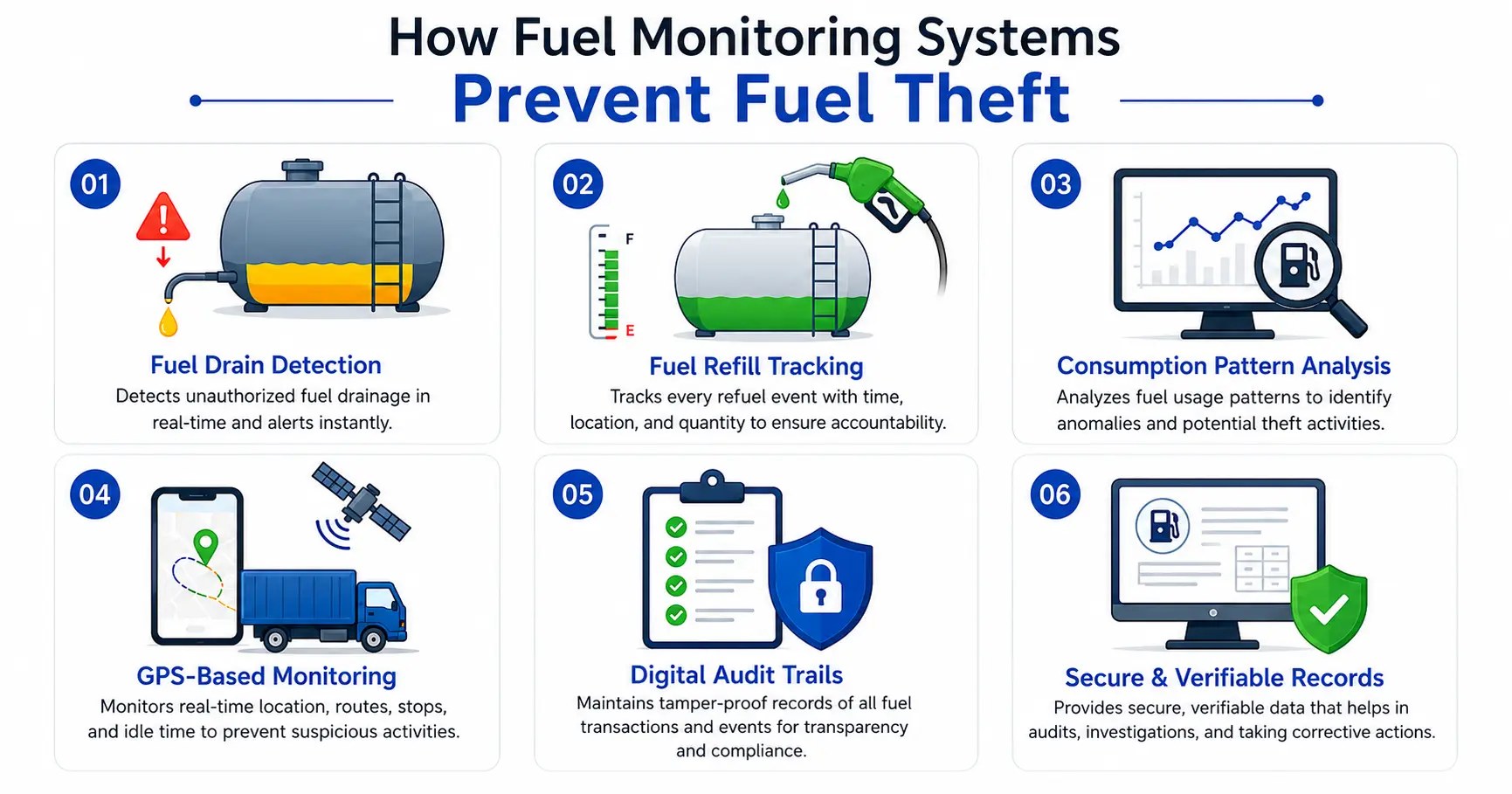
Modern fuel monitoring systems use advanced technologies to prevent such losses.
1. Fuel Drain DetectionFuel Drain Detection helps petrol pumps identify unexpected fuel loss in real time. The system continuously monitors tank fuel levels and instantly detects sudden drops caused by leakage, theft, unauthorized fuel removal, or measurement issues.
This feature helps fuel stations maintain accurate inventory control and prevent hidden fuel losses efficiently.
2. Fuel Refill TrackingFuel Refill Tracking helps petrol pump owners monitor every fuel filling activity in real time. Whenever fuel is refilled into underground tanks, the system automatically records the refill details and sends notifications to managers instantly.
This helps ensure accurate stock updates, prevents manual errors, and keeps owners informed about fuel deliveries even when they are away from the station.
The software studies daily fuel usage and shows fuel consumption trends over time. It helps owners identify unusual fuel usage, sudden increases, or possible fuel wastage quickly.
GPS-based monitoring allows fleet operators to track fuel activities along with vehicle locations in real time. This helps monitor where fuel is used and improves control over fleet operations.
The system stores all fuel-related activities digitally, including sales, stock updates, fuel refills, and transactions. This improves transparency and makes checking records easier anytime.
Fuel monitoring systems are used in many industries to manage fuel usage, reduce losses, and improve operational efficiency. Industries like transport, logistics, mining, construction, petrol pumps, and manufacturing commonly use these systems.
Fuel stations use monitoring systems for:
Transport businesses use fuel monitoring for:
Factories use fuel monitoring for diesel storage management and generator monitoring.
4. Construction CompaniesConstruction equipment and heavy machinery require continuous fuel monitoring.
5. Mining OperationsMining companies rely heavily on fuel analytics for large-scale machinery operations.
Cloud-based fuel monitoring software provides businesses with greater flexibility and scalability.
1. Remote MonitoringManagers can monitor fuel operations from any location.
2. Centralized Data AccessAll fuel data is stored securely in a centralized system.
3. Automatic Software UpdatesCloud systems receive regular updates and security improvements.
4. Better ScalabilityBusinesses can expand operations without changing the entire infrastructure.
5. Improved Data SecurityCloud platforms offer secure data backup and access management.
Selecting the right solution depends on your business requirements.
1. Understand Your Business TypeDifferent businesses require different monitoring capabilities.
For example:
Fuel sensor accuracy is critical for reliable reporting.
3. Evaluate Reporting FeaturesThe system should provide detailed analytics and automated reports.
4. Ensure ScalabilityChoose a solution that can grow with your business.
5. Verify Mobile & Cloud SupportRemote monitoring capabilities are now essential.
6. Compare Support & MaintenanceReliable customer support is important for uninterrupted operations.
7. Future of Fuel Monitoring Systems in IndiaThe fuel industry is rapidly adopting digital technologies.
Future fuel monitoring systems will focus heavily on:
Businesses that adopt digital fuel management technologies early will gain better operational control and long-term efficiency.
Fuel monitoring systems are transforming the future of fuel operations across India. From petrol pumps and fleet businesses to industrial diesel storage and fuel distribution networks, modern fuel monitoring solutions help businesses gain complete operational visibility, prevent fuel losses, improve accuracy, and increase overall efficiency.
With advanced features like real time fuel tracking, automated reconciliation, fuel theft detection, cloud-based reporting, GPS integration, and IoT powered monitoring, businesses can now manage fuel operations smarter and more efficiently than ever before. As the fuel industry rapidly shifts toward digital operations in 2026, investing in a smart fuel monitoring system is no longer just an upgrade it is a strategic step toward long term business growth, better control, and higher profitability.
Fuel monitoring systems Software
 Software
 Software
 Software
 Software
 Software
 Software
 Software
 Software
 Software
 Software
 Software
 Software
 Software
 Software
 Software
 Software
 Software
 Software
 Software
Software
 Software
 Software
 Software
 Software
 Software
 Software
 Software
 Software
 Software
 Software
 Software
 Software
 Software
 Software
 Software
 Petrosoft
 Software
Petrosoft
 Software
Petrosoft
 Software
Petrosoft
 Software
Petrosoft
 Software
Petrosoft
 Performance
Petrosoft
 Performance
Petrosoft
 Performance
Petrosoft
 Performance
Petrosoft
 Performance
Petrosoft
 Performance
Petrosoft
 Mobile App
Petrosoft
 Software
Petrosoft
 Software
Petrosoft
 Software
Petrosoft
 Software
Petrosoft
 Software
Petrosoft
 Software
Petrosoft
 Software
Petrosoft
 Software
Petrosoft
 Software
Petrosoft
 Sales
Sales
Petrosoft
 Software
Petrosoft
 Technology
Petrosoft
 Feedback
Petrosoft
 Marketing
Petrosoft
 Revolution
Petrosoft
 Software
Petrosoft
 Tips
Tips
Petrosoft
 Case Studies
Petrosoft
 Trends
Petrosoft
 Application
Petrosoft
 Application
Petrosoft
 Application
Petrosoft
 Operations
Petrosoft
 Operations
Petrosoft
 Sales
Sales
Petrosoft
 Sales
Sales
Petrosoft
 Application
Petrosoft