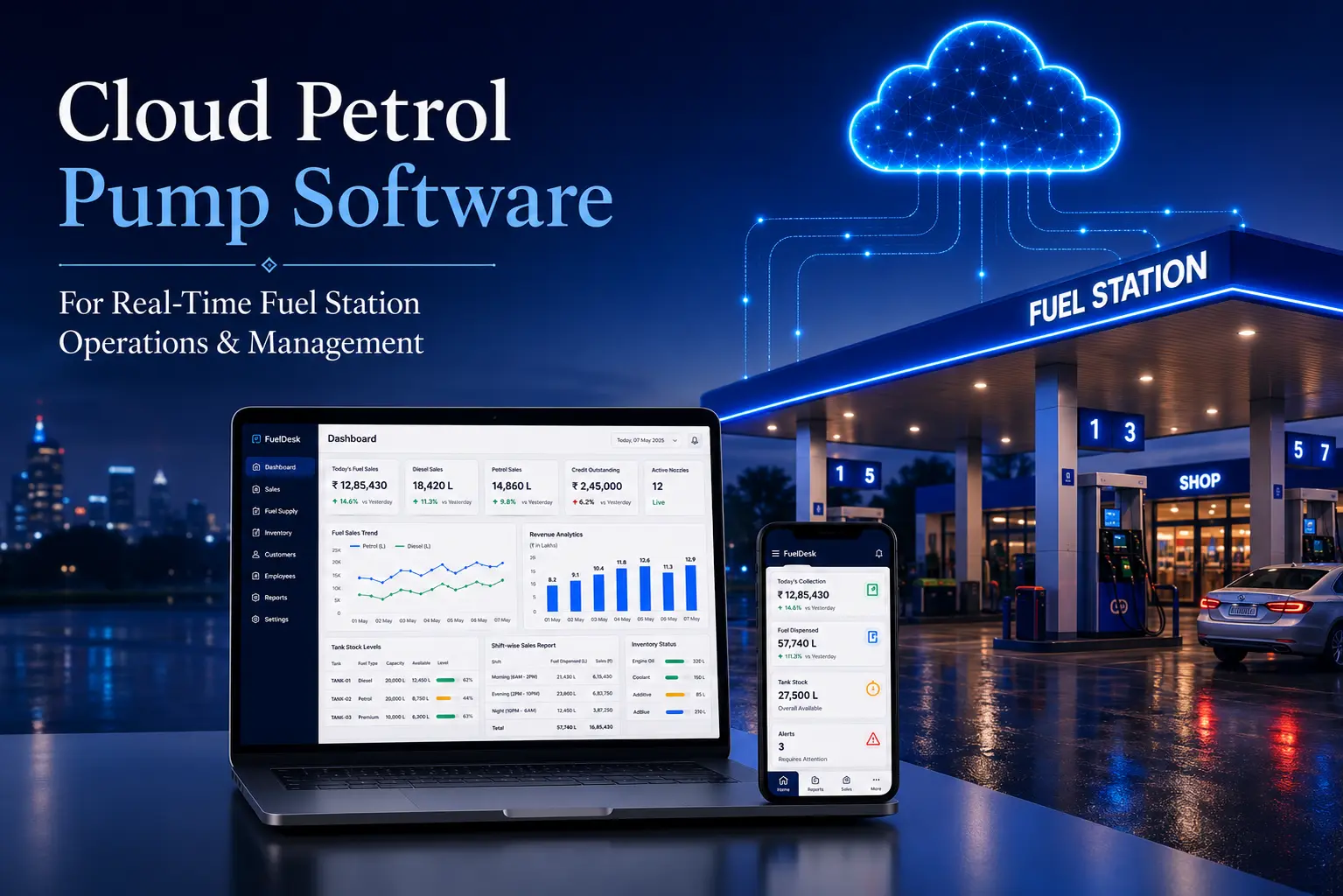

Why Fuel Stations Need Cloud-Based Systems
How Cloud Petrol Pump Software Works
Key Features of Cloud Petrol Pump Software
Fuel station businesses are no longer limited to just fuel dispensing and cash transactions. Today’s operations involve complex workflows such as inventory tracking, fuel dispensing control, billing systems, credit customer management, employee shift handling, sales reporting, compliance monitoring, and multi-location coordination.
As fuel businesses grow, managing these activities through manual registers or disconnected systems becomes difficult. Information delays, reporting errors, and lack of real-time visibility can directly impact operational efficiency and profitability.
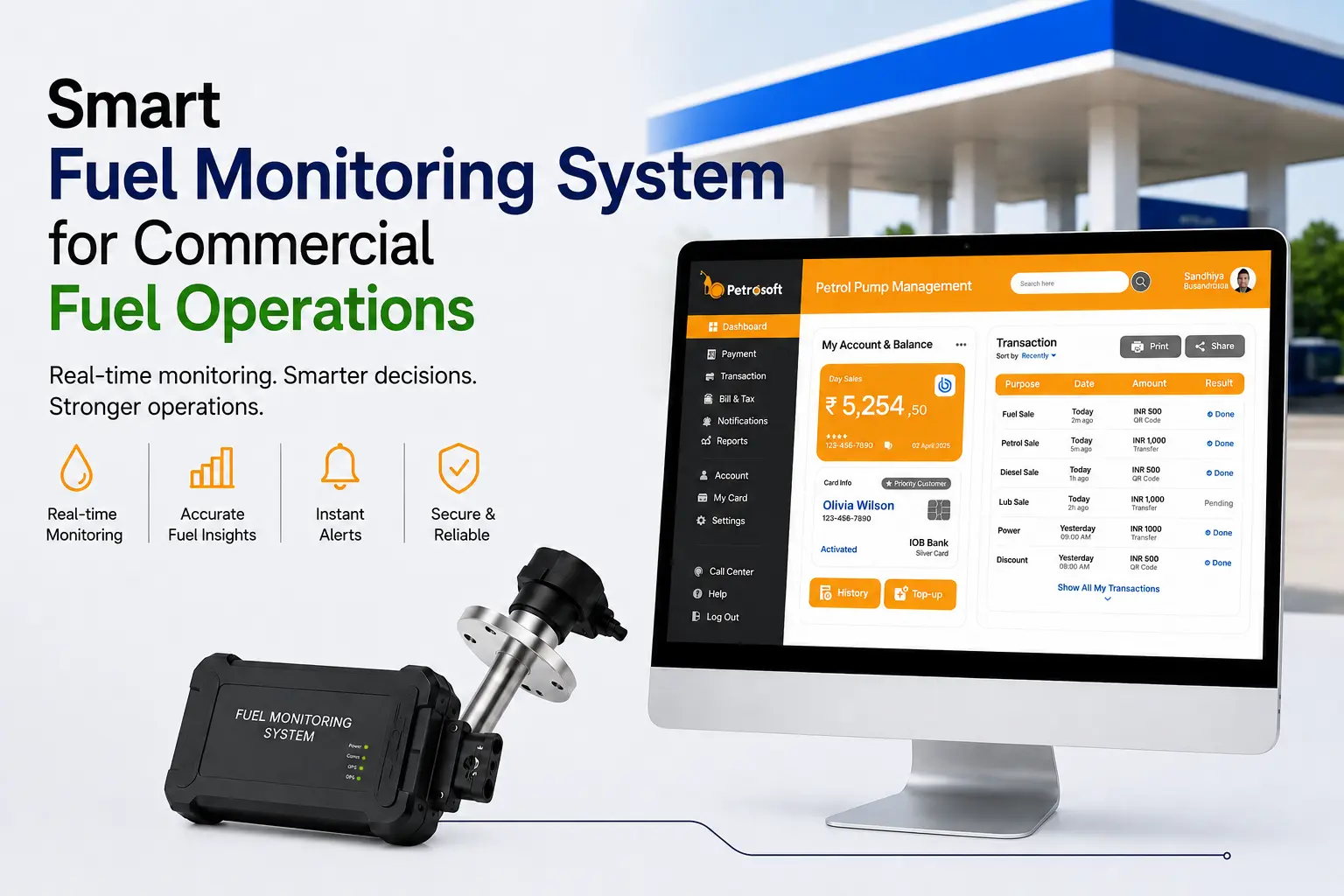
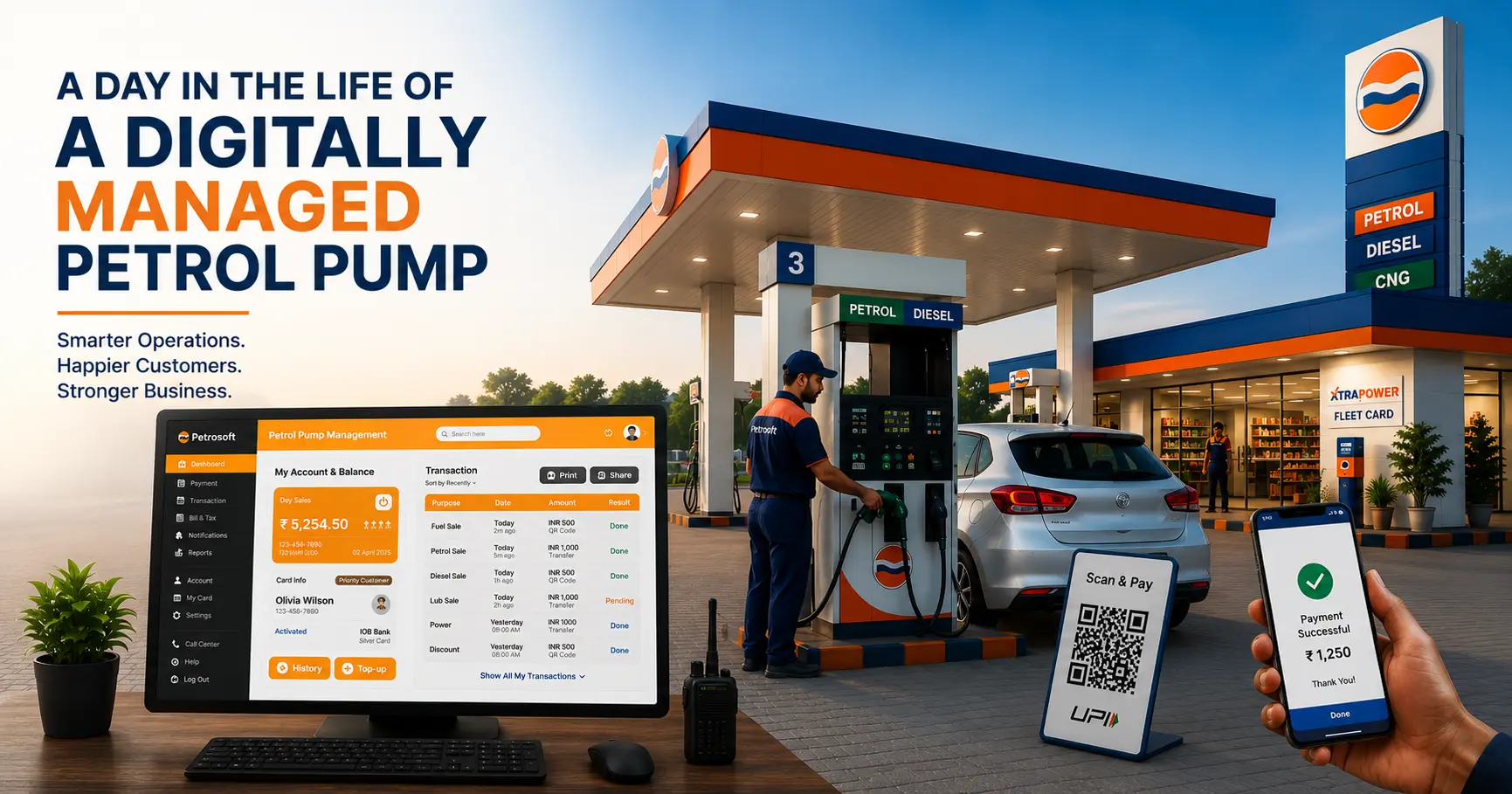
This is where modern cloud-based fuel management platforms like Petrosoft help businesses centralize operations, improve visibility, and streamline daily workflows through real-time digital systems.
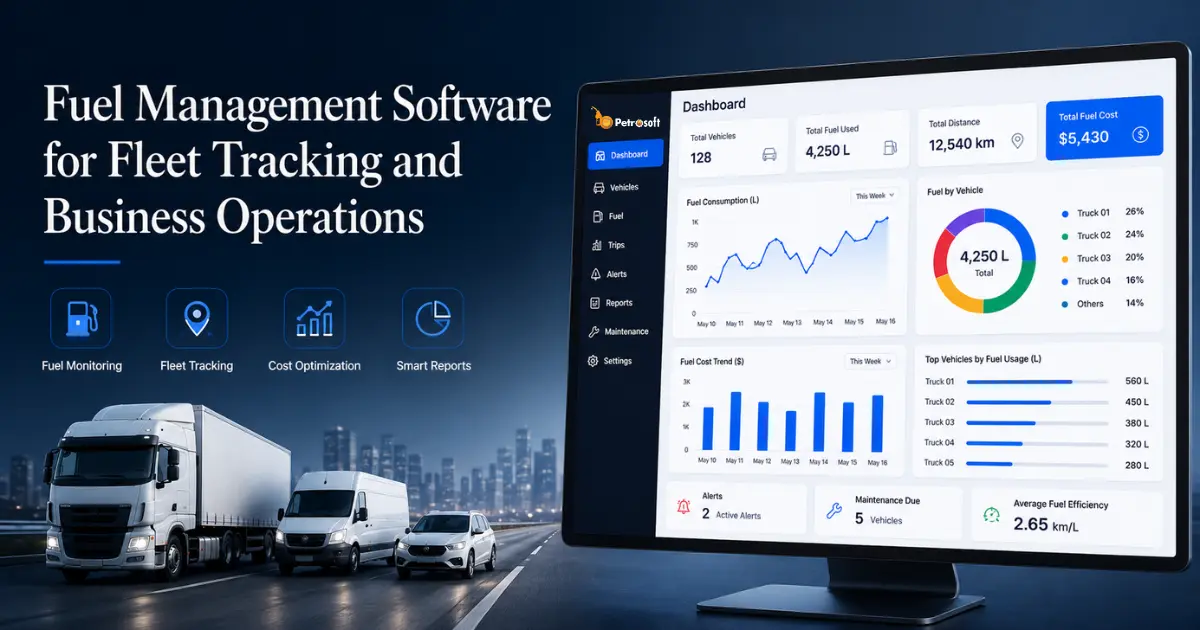
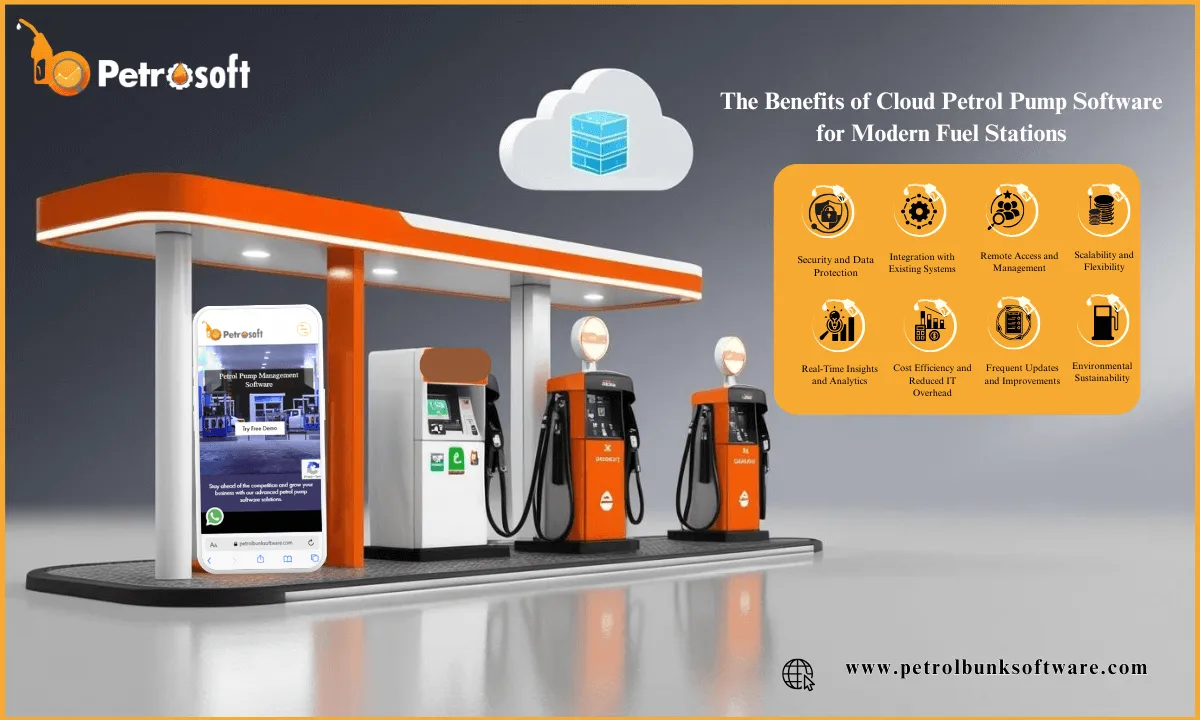
Cloud petrol pump software solves these challenges by centralizing all fuel station operations into a single cloud-based system that provides real-time visibility, automated reporting, and remote access.
This guide explains how cloud petrol pump software works, its features, benefits, use cases, and future trends in fuel station management.
Cloud petrol pump software is a centralized fuel station management system that helps businesses manage day-to-day fuel operations using cloud technology.
Instead of maintaining separate records for inventory, billing, and reporting, all data is stored and managed in a centralized digital platform accessible through the internet.
This allows fuel station owners and managers to monitor operations anytime, from anywhere.
A cloud-based fuel management system typically handles:
The primary goal of this system is to improve operational visibility, reduce manual effort, and enable data-driven decision-making.
Fuel stations deal with high-frequency transactions and continuous inventory movement. Even small errors in stock tracking or billing can lead to operational losses.
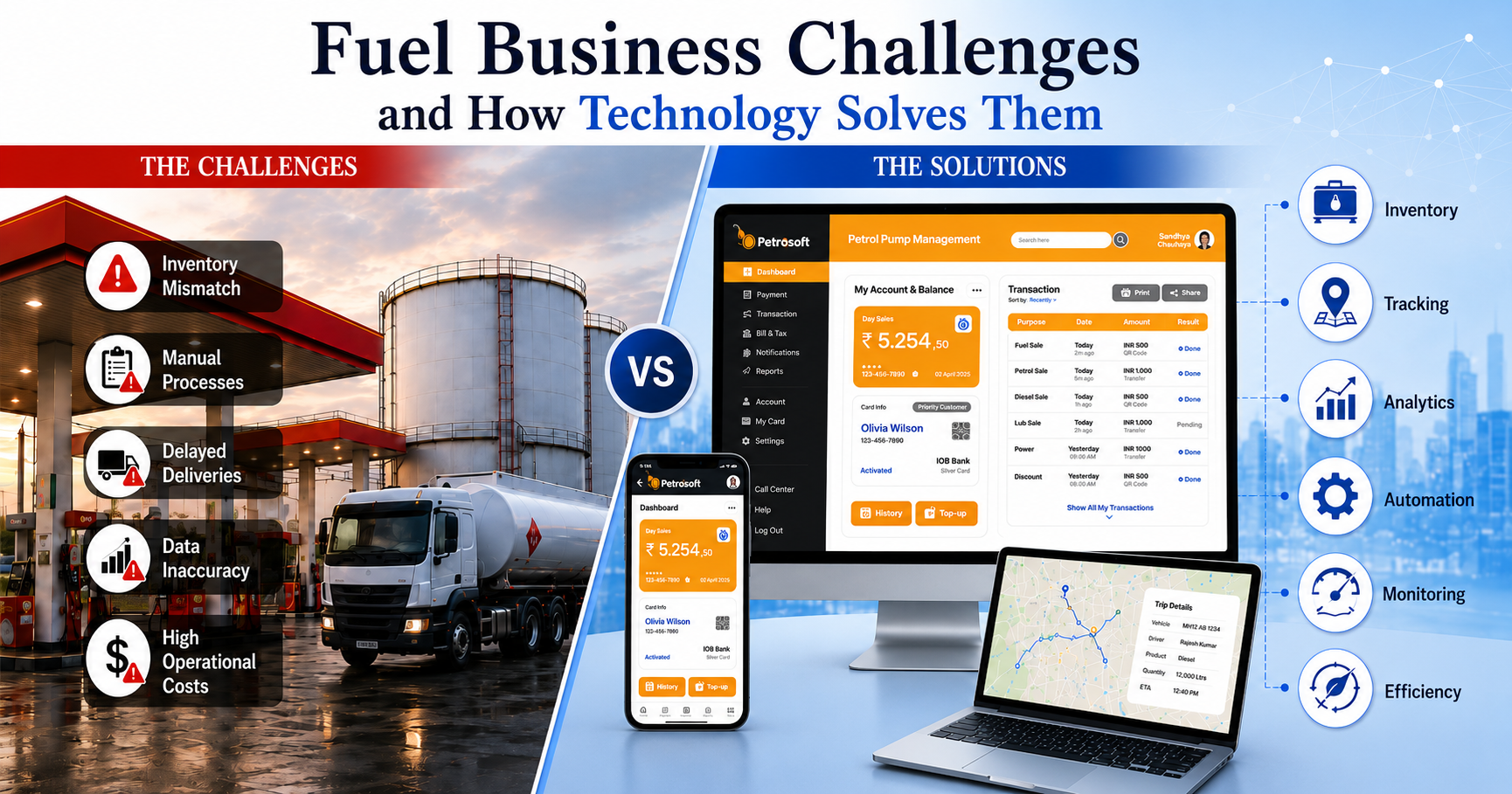
Traditional systems often create challenges such as:
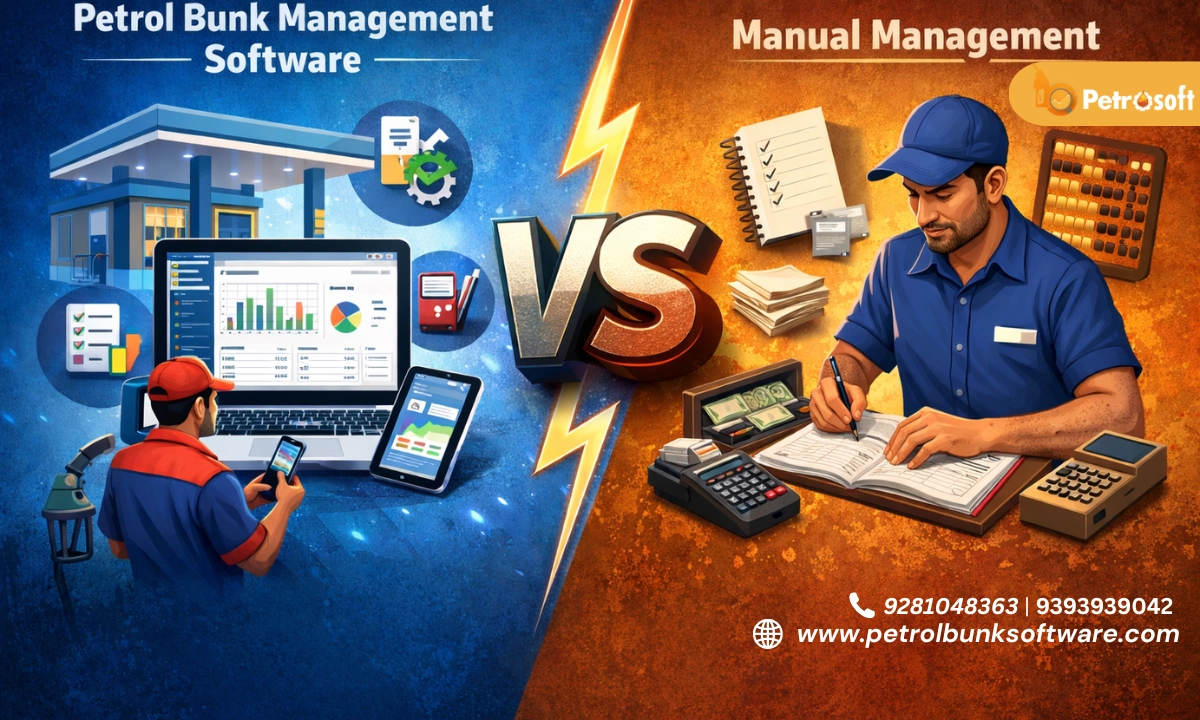
As fuel retail businesses expand, these limitations become more significant. Cloud systems solve this by enabling real-time synchronization of all operational data.
| Operational Area | Traditional Method | Cloud Petrol Pump Software |
|---|---|---|
| Inventory Tracking | Manual registers | Real-time tank monitoring |
| Billing System | Standalone billing | Integrated digital billing |
| Reporting | End-of-day reports | Live automated dashboards |
| Multi-Station Control | Separate systems | Centralized control panel |
| Employee Tracking | Manual attendance | Digital shift management |
| Business Insights | Limited analysis | Data-driven analytics |
This shift is not just technological—it directly improves business accuracy and operational speed.
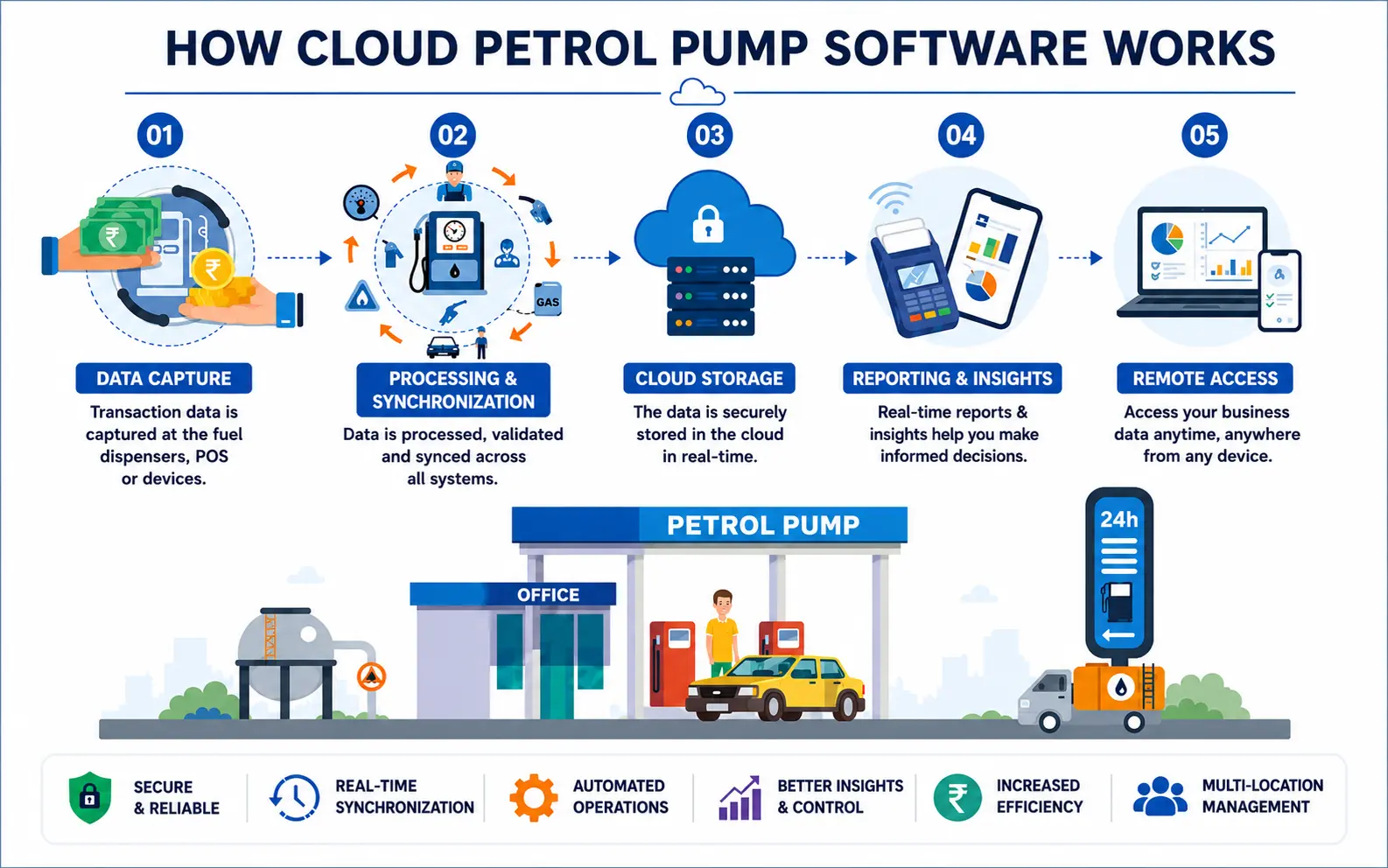
Cloud software collects operational information from various business activities and stores it in a centralized environment.
Typical workflow:
Step 1: Data Capture
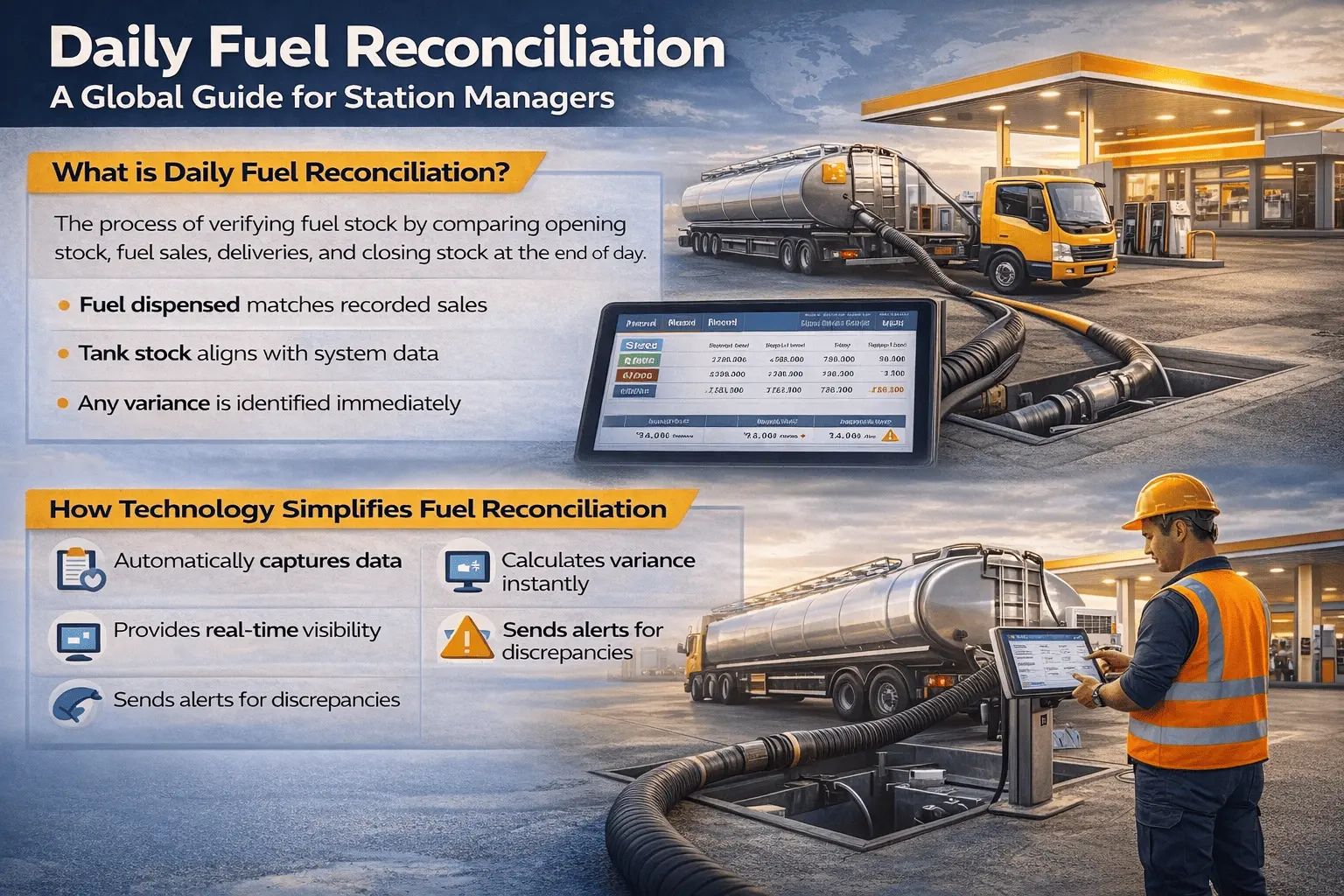
Every operational activity such as fuel dispensing, billing, stock updates, and employee actions is captured in real time.
Step 2: Cloud Storage
The captured data is securely stored in a centralized cloud database instead of local systems.
Step 3: Processing & Synchronization
The system processes operational data and updates dashboards instantly across all devices.
Step 4: Reporting & Insights
Automated reports are generated for inventory, sales, credit customers, and performance metrics.
Step 5: Remote Access
Businesses can monitor activities from connected platforms and devices.
This workflow helps businesses reduce manual dependencies while improving operational efficiency.
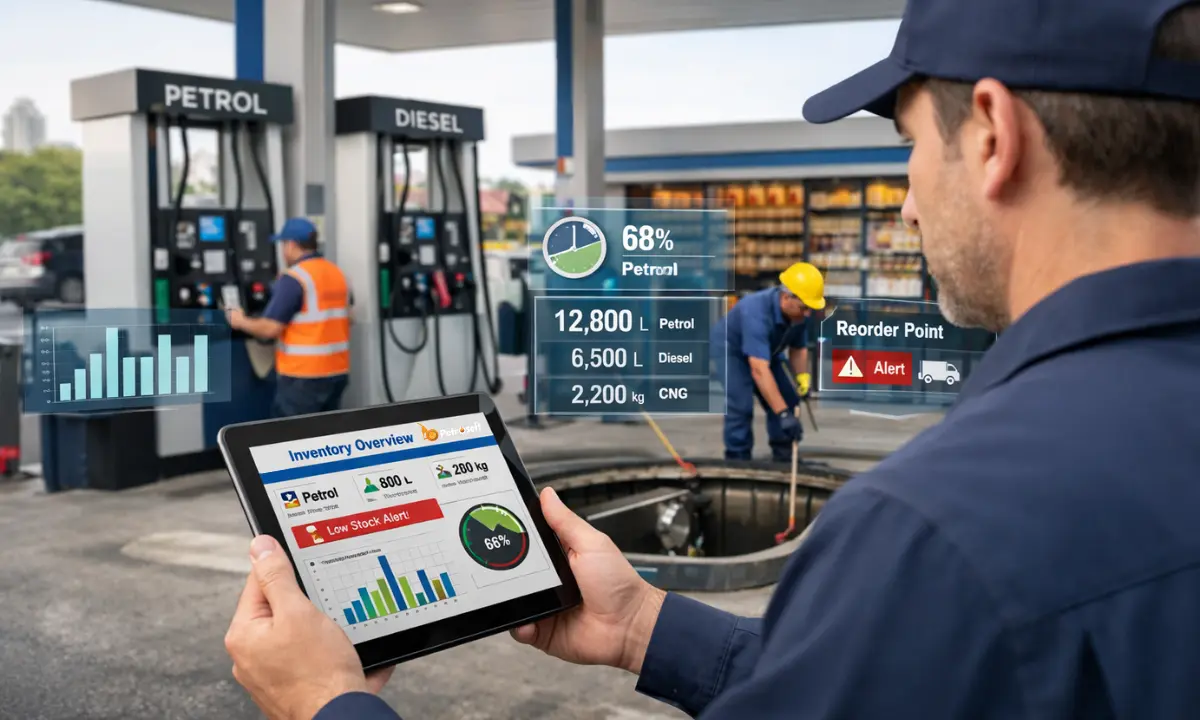
1. Real-Time Fuel Inventory Tracking
Fuel inventory management is one of the most critical aspects of fuel station operations.
Cloud systems help track:
This reduces fuel loss risks and improves operational control.
2. Billing and Transaction Management
Billing in fuel stations happens continuously throughout the day.
Cloud systems support:
This improves accuracy and reduces billing disputes.
3. Multi-Station Management
For businesses operating multiple fuel stations, centralized control is essential.
Cloud systems enable:
This helps business owners manage operations without physical dependency.
4. Employee and Shift Management
Managing employees across shifts is a key operational requirement.
Cloud platforms support:
This improves accountability and operational discipline.
5. Reporting and Business Analytics
Data-driven decision-making is a major advantage of cloud systems.
Reports include:
These insights help businesses improve planning and efficiency.
Cloud-based systems deliver both operational and business benefits.
These benefits directly contribute to better business control and profitability.
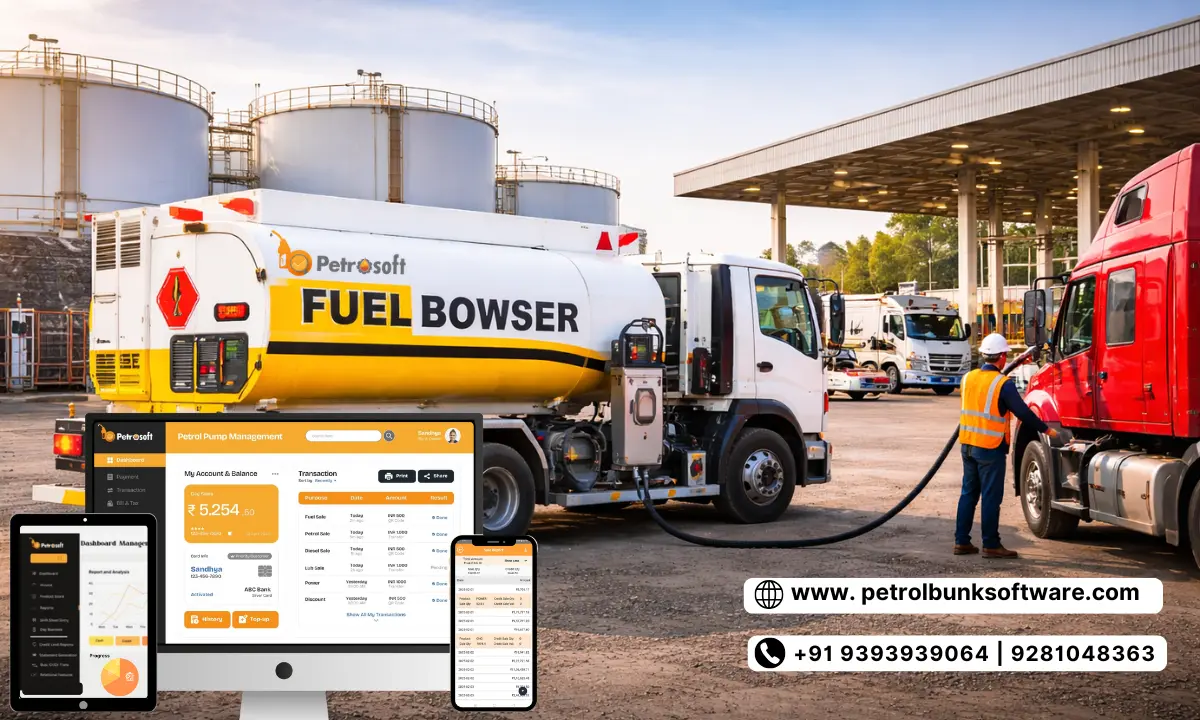
Cloud fuel management is not limited to petrol stations alone.
It is widely used in:
Any business dealing with bulk fuel usage benefits from centralized monitoring.
Businesses that still rely on manual systems often face:
These challenges increase as business size grows.
Selecting the right platform depends on business needs.
Key factors include:
A good system should support long-term business growth.
Fuel station management is rapidly evolving with technology.
Future developments include:
These technologies will further reduce manual dependency.
Cloud based fuel management platforms such as Petrosoft help businesses simplify operational complexity by integrating multiple functions into a single system.
Key capabilities include:
Such systems help fuel businesses improve control, visibility, and efficiency across operations.
Managing fuel stations with manual systems can slow down operations and create reporting challenges. Cloud-based systems simplify this by providing real-time visibility, automated reporting, and centralized control.
Contact Us for Demo / Support
If you want to automate your fuel station operations, reach out to us:
Phone: +91 9281048363
Businesses looking to improve operational efficiency can explore cloud fuel management solutions like Petrosoft to streamline inventory, billing, and reporting systems.
Cloud petrol pump software is transforming fuel station management by enabling centralized control, real-time visibility, and data-driven decision-making. As fuel businesses grow, traditional systems become less efficient, while cloud-based platforms provide the scalability and automation required for modern operations.
Businesses looking to improve operational efficiency, reporting accuracy, and multi-location control can adopt cloud-based fuel management systems like Petrosoft to streamline their operations and support long-term growth.
 Software
 Software
 Software
 Software
 Software
 Software
 Software
 Software
 Software
 Software
 Software
 Software
Software
 Software
 Software
 Software
 Software
 Software
 Software
 Software
 Software
 Software
 Software
 Software
 Software
 Software
 Software
 Software
 Software
 Software
 Software
 Software
 Software
 Software
 Petrosoft
 Software
Petrosoft
 Software
Petrosoft
 Software
Petrosoft
 Software
Petrosoft
 Software
Petrosoft
 Performance
Petrosoft
 Performance
Petrosoft
 Performance
Petrosoft
 Performance
Petrosoft
 Performance
Petrosoft
 Performance
Petrosoft
 Mobile App
Petrosoft
 Software
Petrosoft
 Software
Petrosoft
 Software
Petrosoft
 Software
Petrosoft
 Software
Petrosoft
 Software
Petrosoft
 Software
Petrosoft
 Software
Petrosoft
 Software
Petrosoft
 Sales
Sales
Petrosoft
 Software
Petrosoft
 Technology
Petrosoft
 Feedback
Petrosoft
 Marketing
Petrosoft
 Revolution
Petrosoft
 Software
Petrosoft
 Tips
Tips
Petrosoft
 Case Studies
Petrosoft
 Trends
Petrosoft
 Application
Petrosoft
 Application
Petrosoft
 Application
Petrosoft
 Operations
Petrosoft
 Operations
Petrosoft
 Sales
Sales
Petrosoft
 Sales
Sales
Petrosoft
 Application
Petrosoft